Trending News



News

News
Electrochemical Biosensor Identifies Potential Lung Cancer Biomarkers
Researchers have developed biosensor technology that, when combined with artificial intelligence, shows promise for detecting lung cancer through breath analysis.

News
Intermittent Fasting Changes Body Clocks Without Metabolic Gains
Researchers found that intermittent fasting, when calorie intake remains unchanged, does not improve insulin sensitivity or other metabolic measures. Time-restricted eating shifted participants’ circadian rhythms.

News
Injectable Brain Implant Targets Disease Without Surgery
MIT researchers created microscopic wireless electronic devices that travel through blood and implant in target brain regions, where they provide electrical stimulation.

News
Blocking Free Radicals in Brain Cells May Protect Against Dementia
Researchers discovered that harmful free radicals from astrocyte mitochondria drive brain inflammation and neuron damage linked to dementia. Blocking these radicals at their source with selective molecules protected brain cells.
News
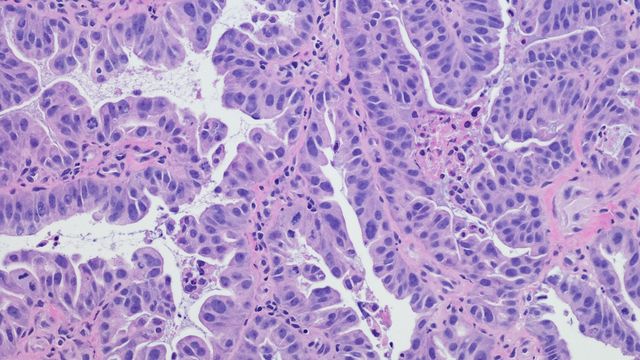
Wireless Nanoparticles Shrink Pancreatic Tumors via MRI
The study demonstrates how MENPs can be guided by magnetic fields to target pancreatic tumors and activated remotely to destroy cancer cells while providing real-time imaging.
News
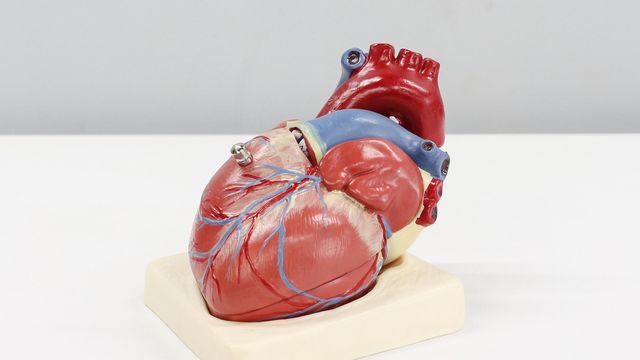
Scientists Map 17,000 Gene Variants Linked to Early Heart Disease
An international team mapped over 17,000 genetic variants in the LDLR gene, which helps clear “bad” cholesterol from the blood. The findings could improve diagnosis of familial hypercholesterolemia, a common inherited cause of early heart disease.

News
Common Gene Variant May Explain Higher Heart Failure Risk in Black Patients
Scientists have identified a common gene variant that may help explain why heart failure occurs more often in Black individuals. The variant, found in the CD36 gene, affects how heart cells use energy and was linked to a threefold increase in risk.

News
Genomic Method Helps Diagnose Rare Diseases
Experts have developed a new method for identifying structural changes in DNA, providing insights for 145 families and highlighting the importance of incorporating these changes into clinical practice.

News
Gene Mutation That Causes Obesity Also Lowers Heart Disease Risk
Researchers at Ulm University Hospital discovered that mutations in the brain’s MC4R gene, which cause obesity, also lower cholesterol and heart disease risk. The study shows brain signaling can directly regulate fat metabolism.

News
Preventing Device Infections With Biomaterial Scaffold Vaccines
Biomaterial vaccines using pathogen-specific antigens could significantly lower patients’ risk of infection from implanted medical devices,
Advertisement