What the Human Protein Atlas v25 Brings to Disease Research
The new Human Protein Atlas links proteins to cells, tissues and diseases, advancing precision medicine research.
Understanding the human proteome depends on knowing where proteins are and how they interact. The new Human Protein Atlas (HPA) offers this data across cells, tissues and blood
Why the Human Protein Atlas matters for proteome research
The full set of proteins expressed in the human body, commonly called the proteome, is central to understanding how health is maintained and how disease arises. Researchers rely on detailed maps showing where proteins are found in specific tissues, cells and blood if they are to trace disease mechanisms or identify new therapeutic targets.
The HPA has been a key open-access resource in this area, offering antibody‑based images and expression data for thousands of human proteins.
However, important gaps have persisted. Blood protein profiles across many diseases and stages of life have been incomplete, and single‑cell resolution data in many tissues have remained sparse. Structural information on protein–protein interactions has only recently begun to be integrated.
The absence of these elements has limited the atlas’ usefulness for translational and precision‑medicine research.
The newly released version of the HPA aims to expand data coverage across blood, cells and tissues – adding new features for disease analysis, protein‑interaction structure and single‑cell resolution.
What’s new in the Human Protein Atlas v25?
HPA v25 contains over 10 million manually annotated bio‑images, and more than 6 billion assay measurements drawn from 300,000 biological samples covering the protein‑coding genes in cells, tissues, organs and blood.
On the blood front, HPA v25 integrates profiling from the Olink HT and SomaScan platforms across 32 disease cohorts. In total, the resource covers 71 diseases, spanning cancers, autoimmune, infectious, neurological and cardiovascular conditions, plus data from healthy cohorts tracking childhood, aging and pregnancy.
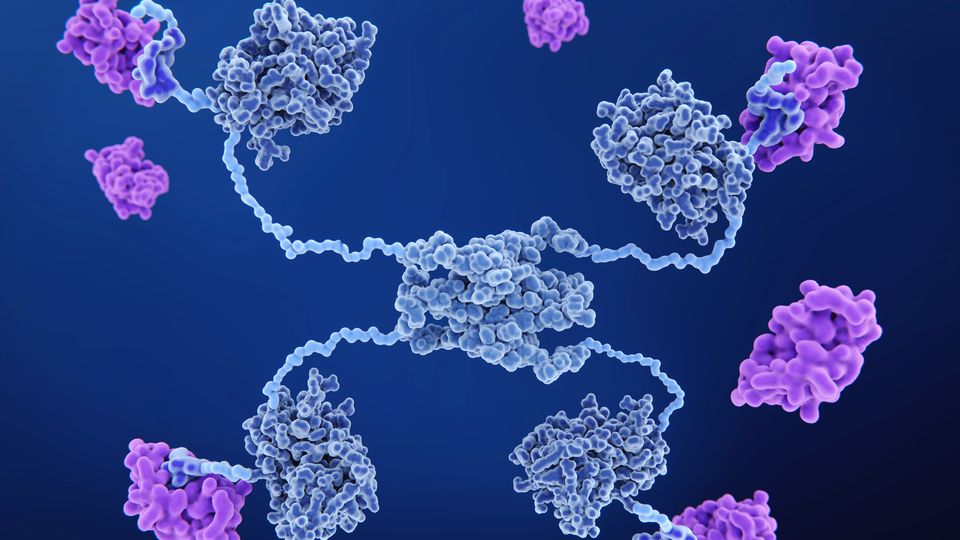
The interaction resource includes networks for over 15,000 proteins, along with 23,000 predicted protein–protein interaction structures based on AlphaFold3 modelling.
In the single‑cell domain, HPA v25 adds data from 34 tissue types, including adrenal gland, pituitary, epididymis and urinary bladder, and updates major tissues (adipose, heart, skeletal muscle, kidney) using single‑nuclei profiling. The single‑cell set now covers 154 cell types, representing most human cell types.
The tissue and sub‑cellular modules are also enhanced with eight new tissues, such as choroid plexus, efferent ducts, ovary and placental phases, a new pancreas antibody panel for multiplex profiling and sub‑cellular localization data in human induced pluripotent stem cells.
Implications of the Human Protein Atlas
By linking protein profiles to specific diseases and life stages, the expanded HPA supports translational and precision medicine research. The inclusion of protein interaction networks and single-cell data also allows researchers to examine protein function at both structural and cellular levels.
“The HPA team is proud to launch this new version of the open-access HPA with a vast amount of new data generated both internally and externally. In particular, the new Human Disease Blood resource should be valuable for all researchers interested in translational medicine and the efforts to move from discovery into precision medicine,” said Dr. Mathias Uhlen, the director of the HPA consortium.
This article is a rework of a press release issued by the Human Protein Atlas. Material has been edited for length and content.