Trending News


News
News
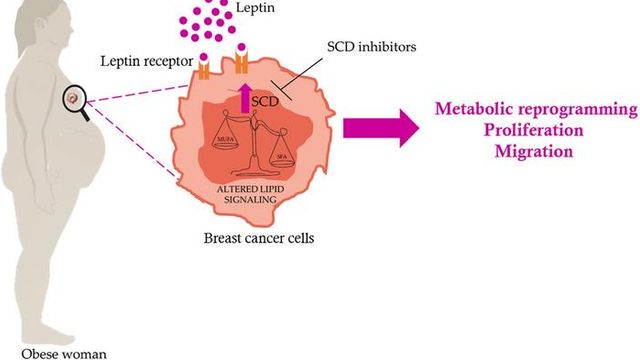
Fat Hormone Found To Activate Cancer-Promoting Metabolic Pathway
Researchers identified how leptin, a hormone from fat cells, fuels estrogen receptor-positive breast cancer. The study found leptin activates the enzyme SCD, boosting cancer cell growth and energy production.
News
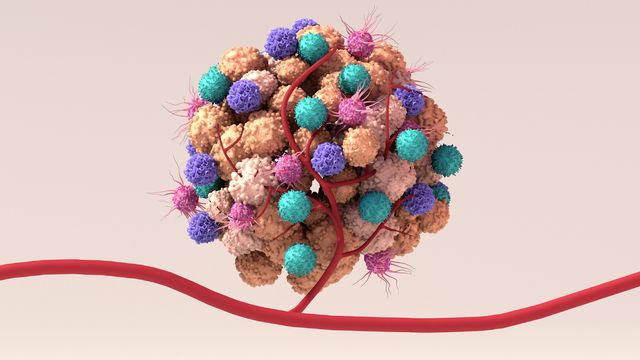
CRISPR-Enhanced CAR T Cells Overcome Solid Tumor Barriers
Monash University researchers used CRISPR or a PTPN2 inhibitor to enhance CAR T cell function against solid tumors. Blocking PTPN2 improved T cell persistence and tumor killing in preclinical models, creating long-lived, stem-like CAR T cells.
News
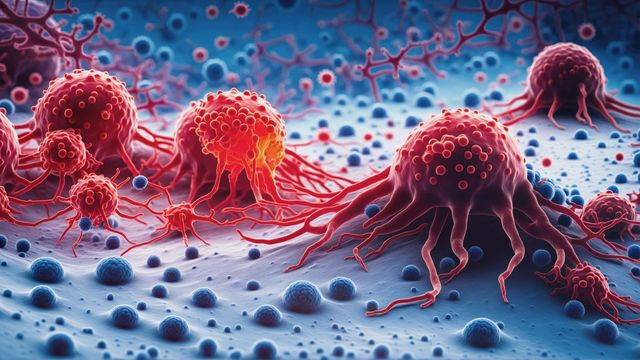
How Metastatic Colorectal Cancer Evades the Immune System
New research has identified two complementary mechanisms that enable metastatic colorectal cancer to block the immune system.
News
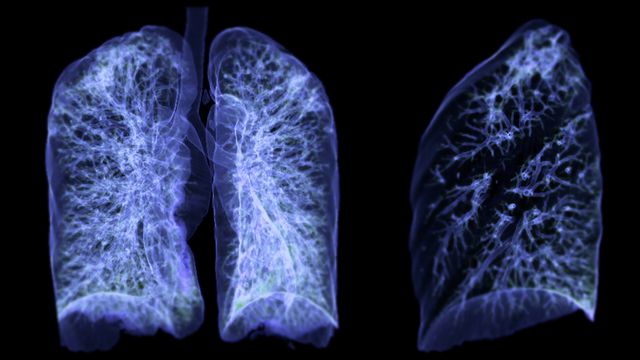
Targeting Inflammation Could Halt Lung Cancer Before It Starts
Researchers used spatial transcriptomic mapping to reveal that inflammation drives the earliest stages of lung cancer. They identified highly inflamed regions containing tumor-associated cells.

News
Common Medications Linked to Adverse Breast Cancer Outcomes
New research has found that commonly used heartburn and blood pressure medications may interact with cancer therapies, influencing side effects and survival outcomes.

News
Experimental Cancer Drug SU212 Suppresses Tumor Growth
A new molecule developed by researchers at Oregon Health & Science University offers a promising avenue to treat intractable cases of triple-negative breast cancer — a form of cancer that is notoriously aggressive and lacks effective treatments.
News
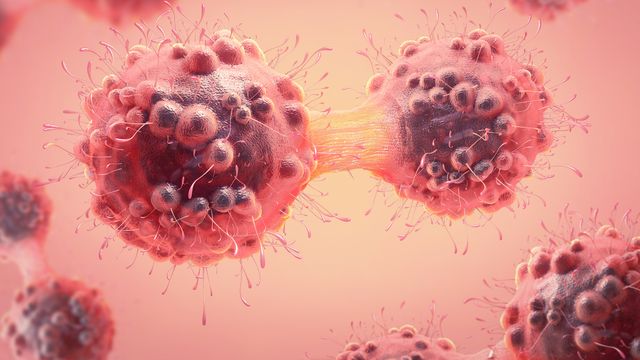
Not All p53 Mutations Are Equal – Some May Help Guide Treatment
Researchers discovered that some p53 mutations, particularly R273H, overstimulate DNA replication and trigger immune activation through the cGAS-STING pathway. These tumors responded better to immunotherapy in mouse models.
News
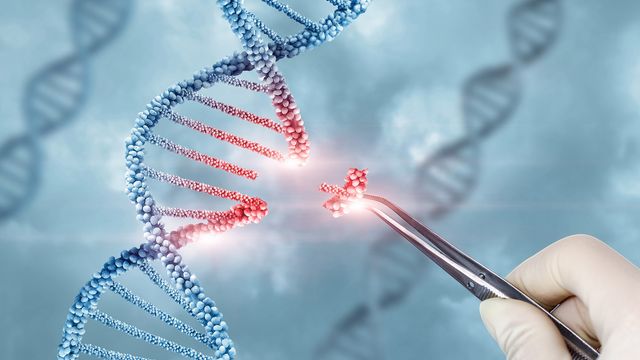
Scientists Identify 117 Enzymes That Control Gene Transcription
Researchers uncovered 117 enzymes that modify RNA polymerase II, the key enzyme that transcribes DNA into RNA. The study revealed that even cell-surface kinases like EGFR act within the nucleus to regulate transcription.
News
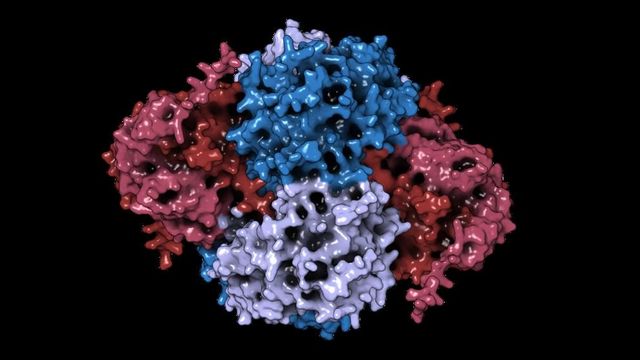
The Enzyme That Stops DNA Production When Cells Have Enough
A study reveals that NUDT5 regulates purine production, the process that builds DNA, without using its enzymatic activity. Instead, NUDT5 acts as a molecular scaffold that halts DNA synthesis when purine levels are high.
News
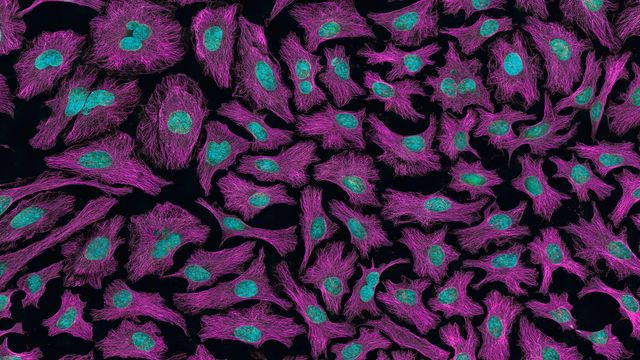
Nanoprobe Microscope Maps Cancer Cell Flexibility
By employing a technique called Nanoendoscopy-AFM, which inserts a nanoneedle probe directly into cells, scientists revealed how cancer cell nuclei stiffen or soften depending on chromatin structure and environmental conditions.
Advertisement